Dog Vomiting After Eating When to Worry and What to Do?
Dog vomiting after eating? Learn the common causes, warning signs, simple home care tips, and exactly when to see a vet. A must-read for Indian pet parents.

GuavaSure Editorial
Introduction
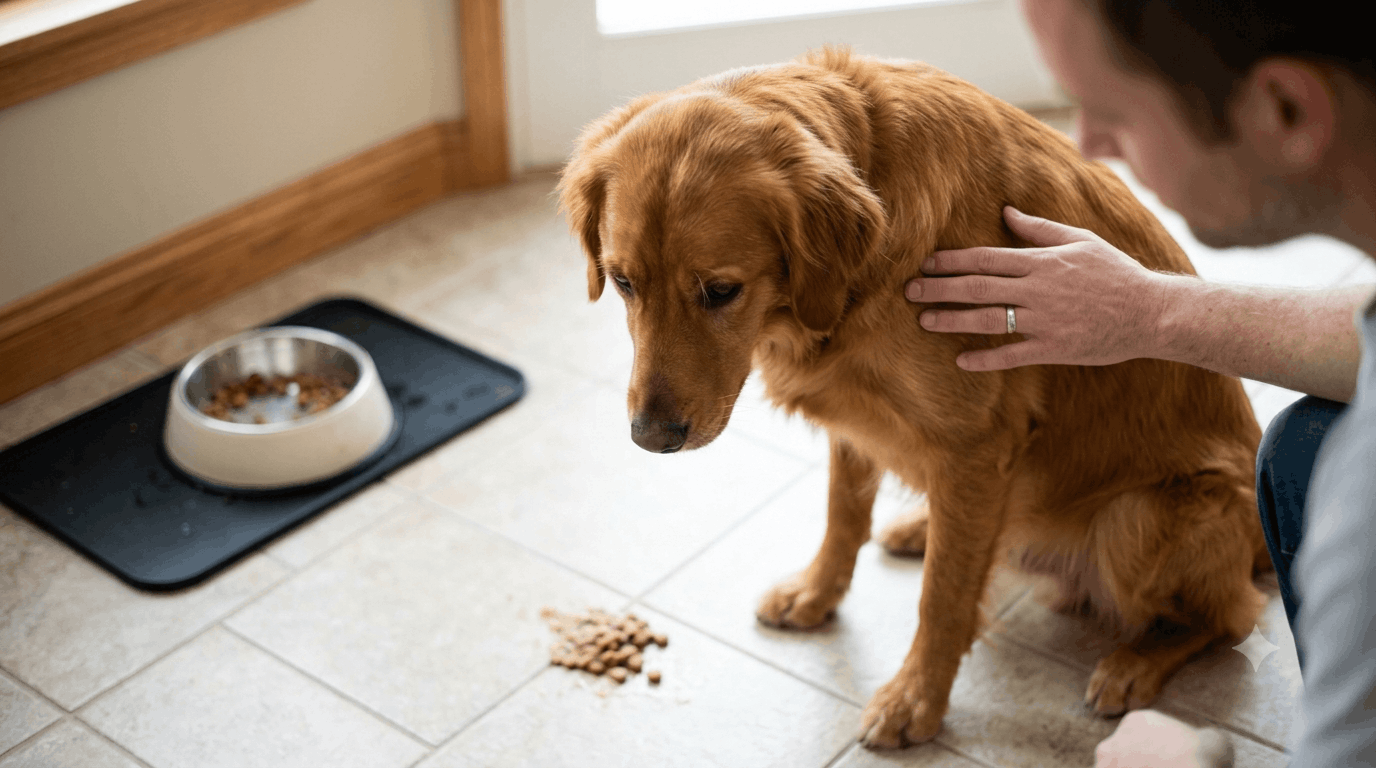
If your dog threw up right after finishing their meal, you're not alone this is one of the most common concerns Indian pet parents deal with. Dog vomiting after eating can be scary to watch, but it doesn't always mean something serious. Sometimes it's as simple as eating too fast. Other times, it could be your dog's body signalling that something needs attention. This guide will help you figure out what's going on and what to do next.
Why Is My Dog Vomiting After Eating? Common Reasons Explained
There are several reasons dog vomiting after eating happens. It could be the food itself, how fast they ate, or even stress. Most cases are harmless, but knowing the cause helps you act faster and smarter.
Eating Too Fast or Too Much
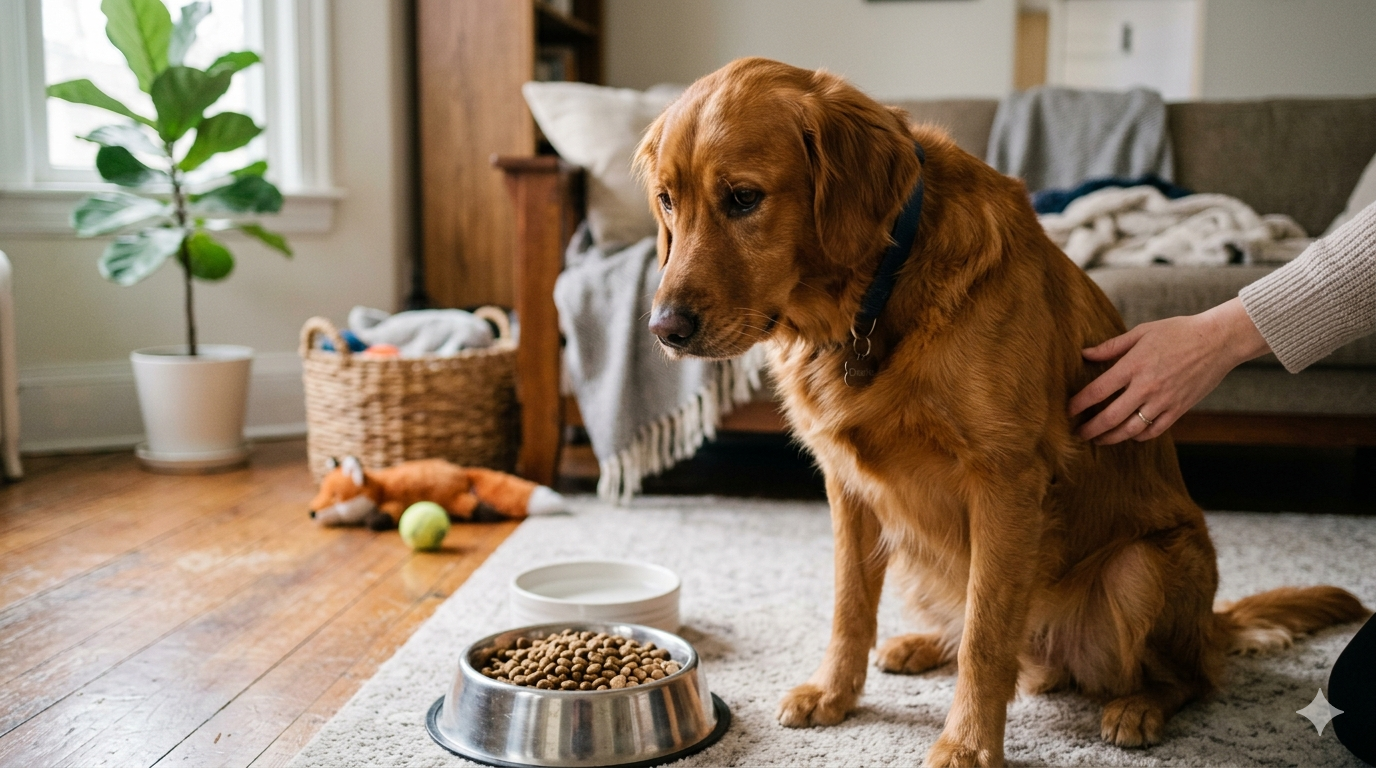
When dogs eat too quickly, they swallow a lot of air along with their food. That air and food comes right back up. It looks dramatic but is usually not dangerous. A slow feeder bowl can make a big difference.
Why My Dog Is Vomiting After Eating Every Single Day
If dog vomiting after eating is happening daily, that's your cue to pay closer attention. Occasional vomiting is one thing but every single day means something is consistently upsetting your dog's stomach, and that needs to be looked into.
Vomiting vs Regurgitation Do You Know the Difference?
Most people use these words the same way, but they are actually very different. With dog vomiting after eating, the food comes up with effort your dog will heave and look uncomfortable. Regurgitation is passive, food just slides out quietly, usually undigested. Knowing which one is happening helps your vet find the right answer faster.
When Should You Be Worried? Red Flag Signs to Watch
Not every vomit needs a vet visit, but some signs should never be ignored. If dog vomiting after eating is paired with any other unusual behaviour, it is better to act quickly than wait and see.
Warning Signs That Need a Vet Visit Immediately
Watch out for these signs:
- Blood in the vomit
- Vomiting more than 3 times in a day
- Your dog looks weak, dull, or won't move
- Swollen or hard belly
- Not drinking water at all
- If you see any of these, skip the home remedies and go straight to your vet.
How to Stop Dog Vomiting After Eating Home Care Tips That Work
Before rushing to the vet, there are a few simple things you can try at home. Most mild cases of dog vomiting after eating settle down with small changes to feeding habits and diet. Give your dog smaller meals, use a slow feeder bowl, and switch to a bland diet like boiled rice and chicken for a day or two.
How to Stop Dog Vomiting After Eating Due to Food-Related Triggers
Sometimes the food itself is the problem. A new brand, a treat with unknown ingredients, or even a sudden diet change can upset your dog's stomach. To stop dog vomiting after eating, start by identifying if anything in their diet changed recently and go back to what was working.
How to Switch Dog Food the Right Way
Never switch food overnight. Mix the new food with the old one over 7 to 10 days, slowly increasing the new and reducing the old. This gives your dog's stomach time to adjust without any shock.
What Will the Vet Do? Diagnosis and Treatment Overview
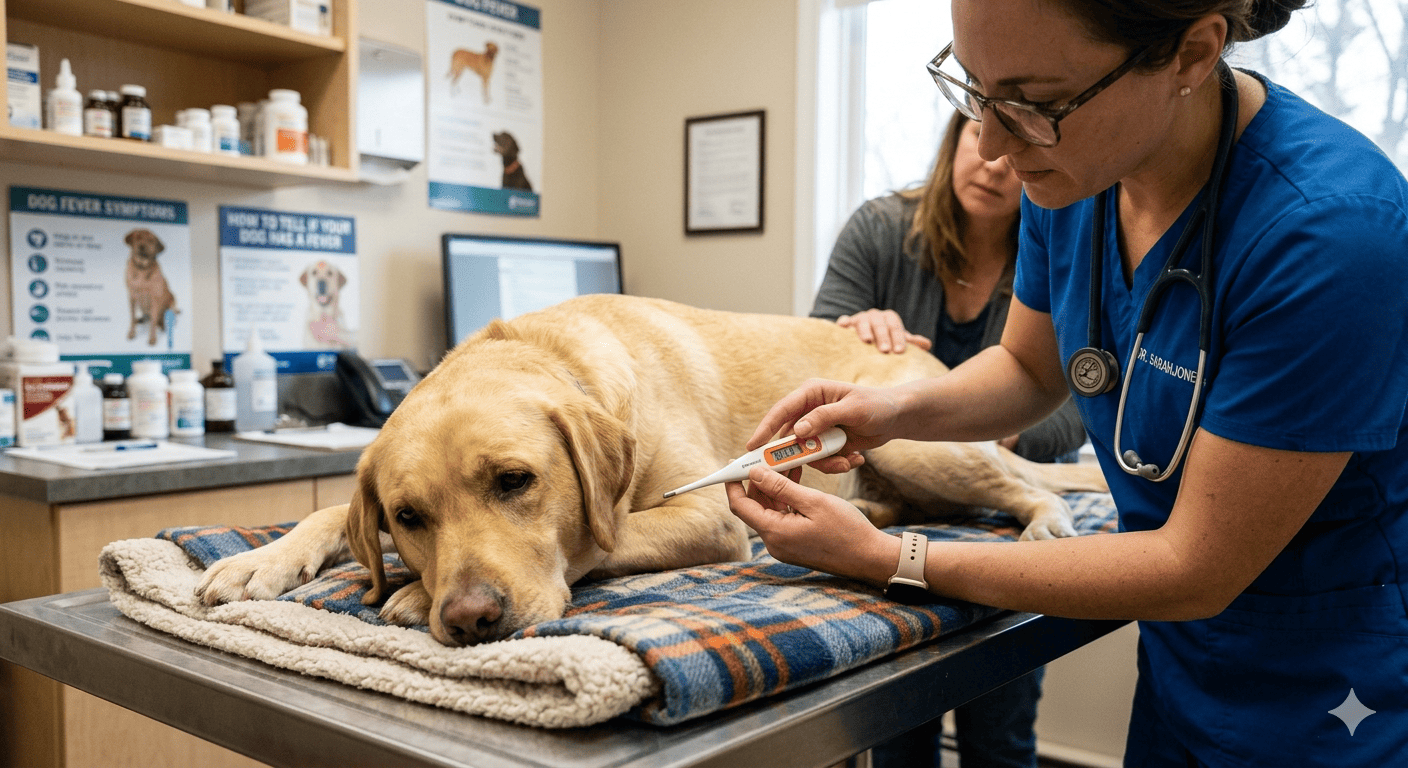
When home care is not enough, your vet will take over. For dog vomiting after eating, they may check for infections, blockages, or underlying conditions. Tests like blood work or an ultrasound might be needed. Treatment could be as simple as anti-nausea medication or a prescription diet depending on what they find.
How to Prevent Dog Vomiting After Eating in the Long Run
Prevention is always easier than treatment. To avoid dog vomiting after eating becoming a recurring problem, build a consistent feeding routine, stick to good quality food, avoid table scraps, and schedule regular vet check-ups to catch anything early.
Conclusion
Dog vomiting after eating is something most pet parents will deal with at least once. Most of the time it is manageable at home with small changes. But when it keeps happening or comes with other warning signs, your vet is your best friend. Stay observant, keep track of your dog's health, and trust your gut you know your pet better than anyone.