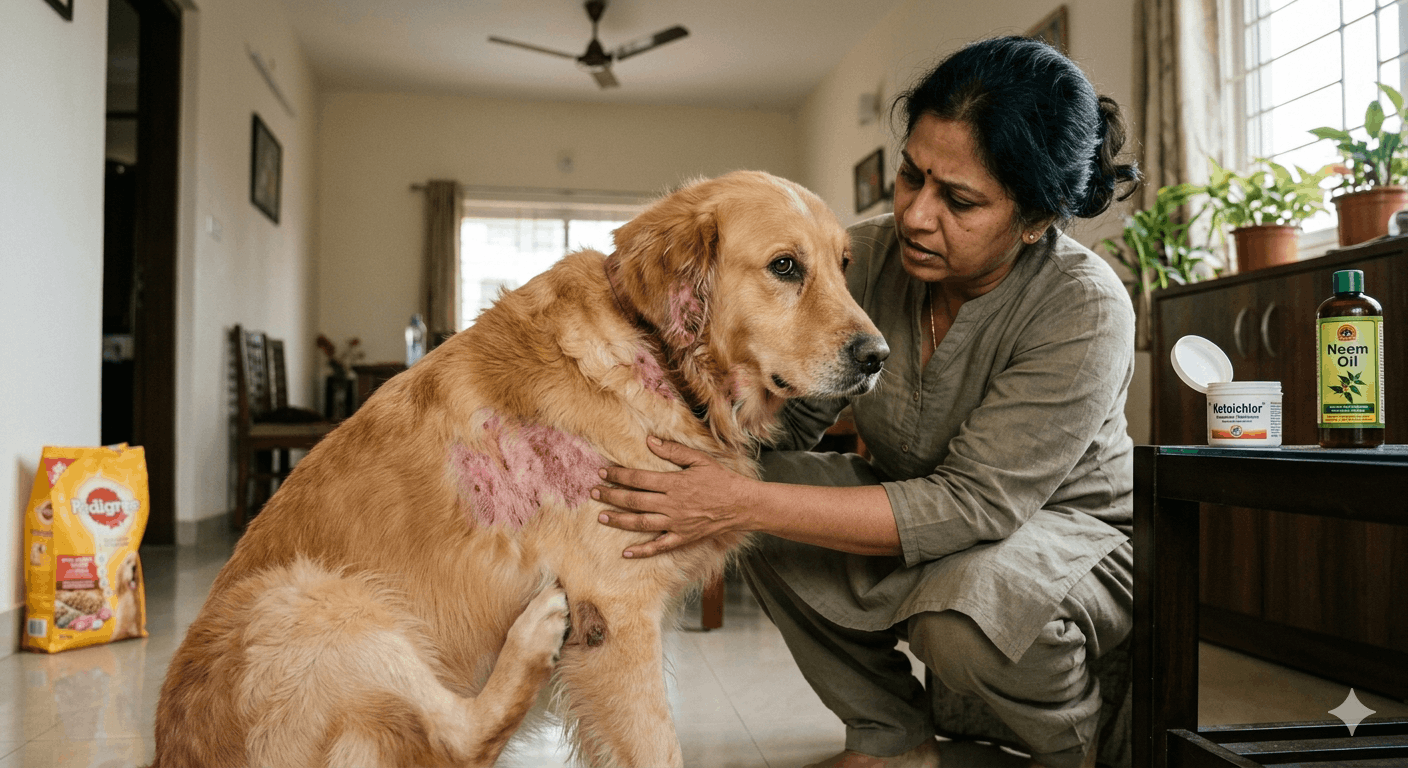
Dog Fever Symptoms: How To Tell If Your Dog Has a Fever
Dog fever symptoms include lethargy, warm ears, and loss of appetite. Learn the causes, simple home care steps, and when to rush your dog to the vet immediately.

GuavaSure Editorial
Introduction
If your dog seems off tired, not eating, just not himself he might have a fever. Dog fever symptoms are easy to miss because dogs can't tell us how they feel. But knowing what to look for can help you act fast and keep your dog safe.
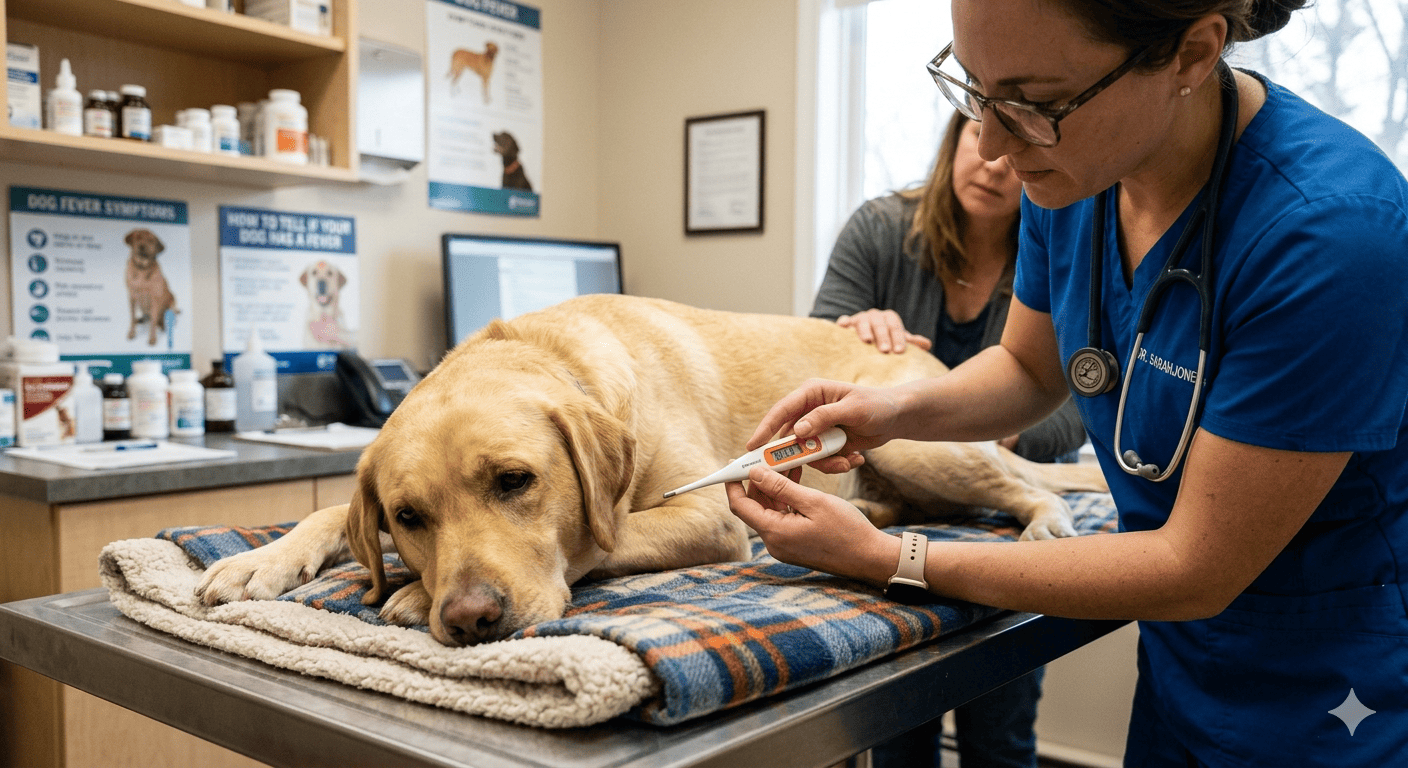
A healthy dog's temperature is between 101°F and 102.5°F. Anything above 103°F is a fever. Above 106°F is dangerous and needs a vet immediately.
In this blog, we'll walk you through all the dog fever symptoms you need to know and what to do if you spot them.
What Are the Symptoms of Dog Fever?
Here are the most common symptoms of dog fever to watch out for:
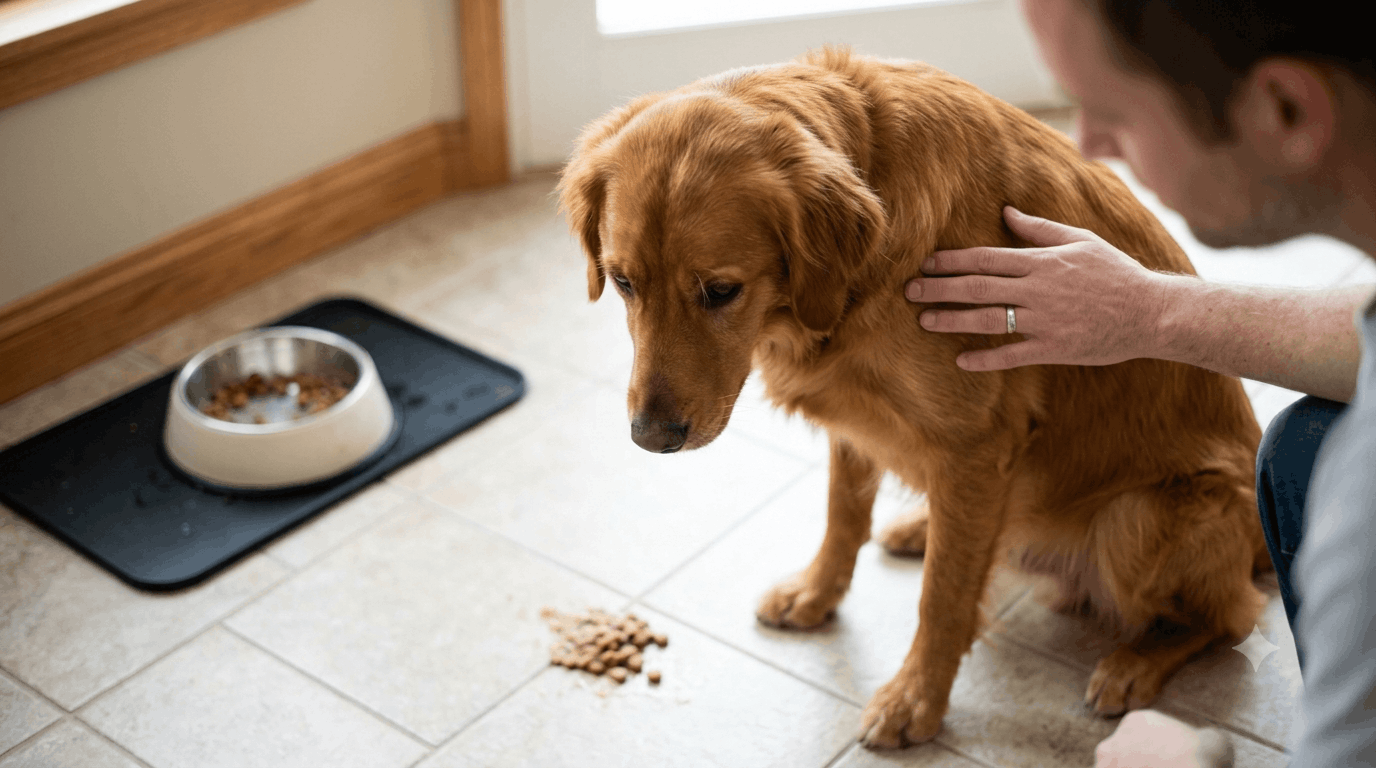
Lethargy — your dog is unusually tired or doesn't want to move
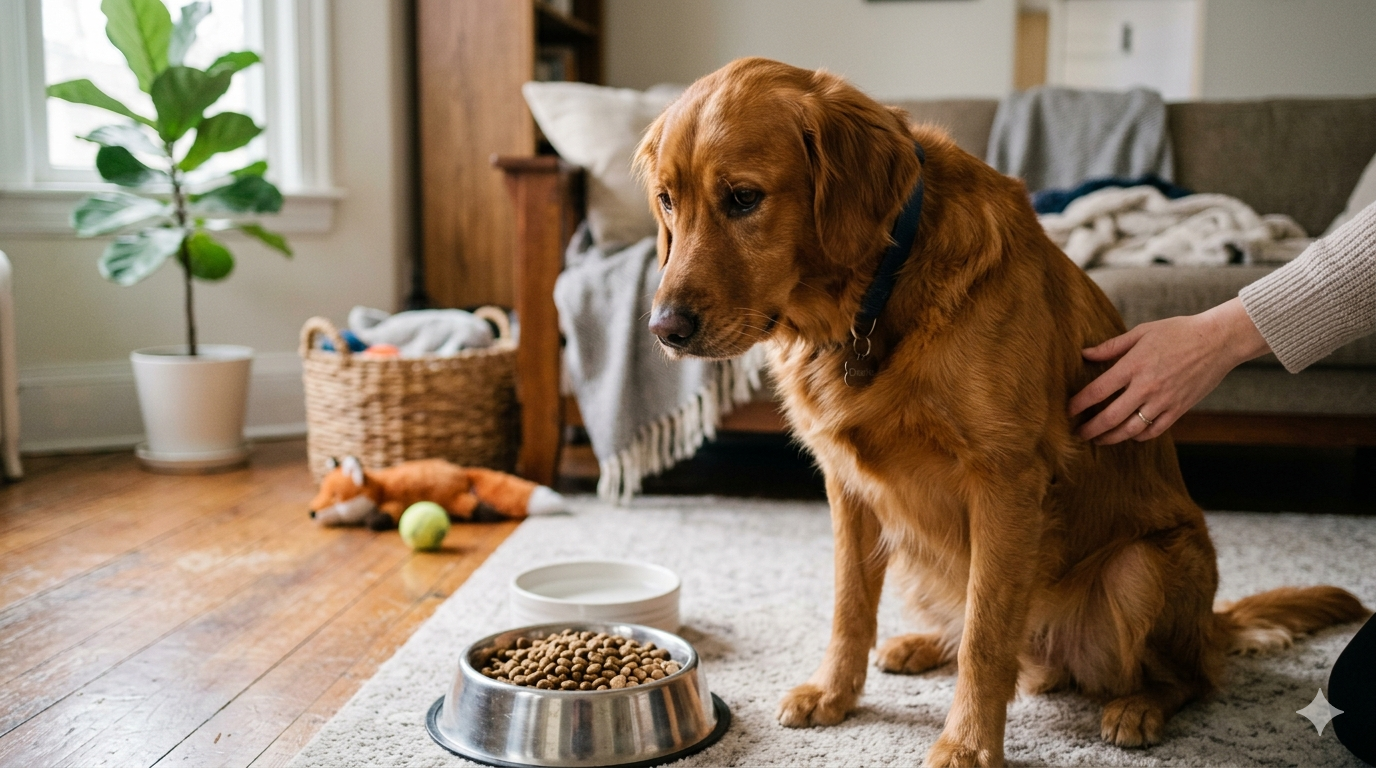
Loss of appetite — skipping meals or showing no interest in food
Shivering or shaking — even when it's not cold
Vomiting — throwing up without eating anything bad
Dry or warm nose — not always reliable alone, but a sign when combined with others
Red or glassy eyes — eyes look watery or unusually red
Fast breathing or panting — even when resting
Warm ears — noticeably hotter than usual to the touch
If your dog has 2 or more of these signs together, it's worth checking their temperature.
How to Tell If Your Dog Has a Fever Without a Thermometer
A thermometer is the only sure way to confirm a fever. But if you don't have one, here are a few dog fever symptoms signs you can check at home:
Feel their ears — both ears feel very warm? That's a signal.
Check their nose — a very dry, cracked nose (not just slightly dry) can indicate fever
Look at their eyes — red, watery, or glazed eyes are a common sign
Watch their energy — a dog that won't get up for food, play, or walks is telling you something is wrong
Touch their belly or armpits — these areas feel unusually hot in a feverish dog
These checks won't give you a number, but if 3 or more of these signs are present, treat it as a fever and contact your vet.
What Is a Normal Temperature for Dogs?
A dog's normal body temperature is between 101°F and 102.5°F (38.3°C to 39.2°C). Knowing this is the first step in spotting dog fever symptoms early. This is higher than humans, so don't panic if it feels warm to the touch.
Here's a simple breakdown:
Below 101°F — too low, could mean hypothermia
101°F to 102.5°F — normal, healthy range
103°F to 104°F — mild fever, monitor closely
Above 104°F — take to vet soon
Above 106°F — emergency, go to vet immediately
The most accurate way to check is with a rectal thermometer. It sounds uncomfortable, but it gives the most reliable reading.
What Causes Fever in Dogs?
Understanding the causes helps you connect the dog fever symptoms you are seeing to what might actually be wrong. Common causes include:
Infection — bacterial or viral infections are the most common cause
Ear infection — very common in dogs, often goes unnoticed
Urinary tract infection (UTI) — especially in female dogs
Tick bite — tick fever is very common in India, especially during monsoon
Vaccination — mild fever for 24–48 hours after a vaccine shot is normal
Eating something toxic — certain plants, foods, or chemicals can trigger fever
Injury or abscess — an infected wound can cause the body temperature to rise
If you can't identify a clear reason, always check with your vet. Don't guess.
Dog Fever Symptoms Treatment What You Can Do at Home
If your dog has a mild fever (below 104°F), here are some safe first steps before visiting the vet. Watching dog fever symptoms signs closely during this time is very important:
- Keep them hydrated — offer fresh water frequently. Fever dehydrates dogs fast
- Cool them down gently — soak a cloth in cool (not ice cold) water and place it on their paws, ears, and belly
- Move them to a cooler spot — away from direct sunlight or heat
- Let them rest — no walks, no play, just rest
- Monitor closely — if symptoms get worse or don't improve in a few hours, call your vet
What NOT to do:
- Never give your dog human medicines like paracetamol, ibuprofen, or aspirin these are toxic to dogs
- Don't use ice or ice-cold water it can cause shock
A vet visit is always the right call if fever lasts more than 24 hours.
When Should You Take a Feverish Dog to the Vet?
Home care only works for mild fevers. Watch for these dog fever symptoms that mean you need a vet right away:
- Fever is above 104°F and not coming down
- Your dog hasn't eaten or drunk water for more than 24 hours
- They are vomiting repeatedly or have diarrhoea
- Your dog is having trouble breathing
- They are extremely weak or unresponsive
- Fever has lasted more than 24–48 hours
- When in doubt, always call your vet. It is better to be safe than sorry.
Can Vaccinations Cause Fever in Dogs?
Yes and it is completely normal.**** Dog fever symptoms after vaccination are usually mild and last only 24–48 hours. Your dog may feel tired, eat less, or feel warm around the injection site.
This happens because the body is building immunity. It is a sign the vaccine is working.
However, call your vet if:
Fever goes above 104°F after vaccination
Symptoms last more than 48 hours
Your dog has swelling, difficulty breathing, or severe lethargy
GuavaSure's wellness plan covers vaccinations and keeps your dog's shot schedule on track so you always know what to expect after each visit.
How to Prevent Fever in Dogs?
You can't prevent every illness, but you can reduce the risk. Here are simple steps every dog parent should follow to avoid seeing dog fever symptoms in their pet:
Vaccinate on time — most fevers from infections are preventable with regular vaccines
Protect from ticks — use tick prevention products, especially during monsoon in India
Keep water fresh and clean — dehydration and dirty water invite infections
Regular vet checkups — catch problems before they become fevers
Avoid toxic foods and plants — keep chocolate, onions, grapes away from your dog
Prevention is always cheaper and easier than treatment.
Conclusion
Fever in dogs is more common than most people think. The good news is if you know the dog fever symptoms signs, you can catch it early and act fast.
Check your dog's temperature if something feels off. Cool them down gently. Keep them hydrated. And never give human medicines.
Most importantly, don't wait too long to see a vet. A small fever caught early is much easier to treat than one that has been ignored for days.
Want to make sure your dog stays healthy all year? GuavaSure's wellness plan covers vaccinations, vet visits, and more starting at just ₹1,900/year.