Dog Not Eating Food? Here's Why and What to Do
Dog not eating food is a common concern among pet owners. Discover all the real reasons, simple home remedies, and when you must visit a vet immediately.

GuavaSure Editorial
Introduction
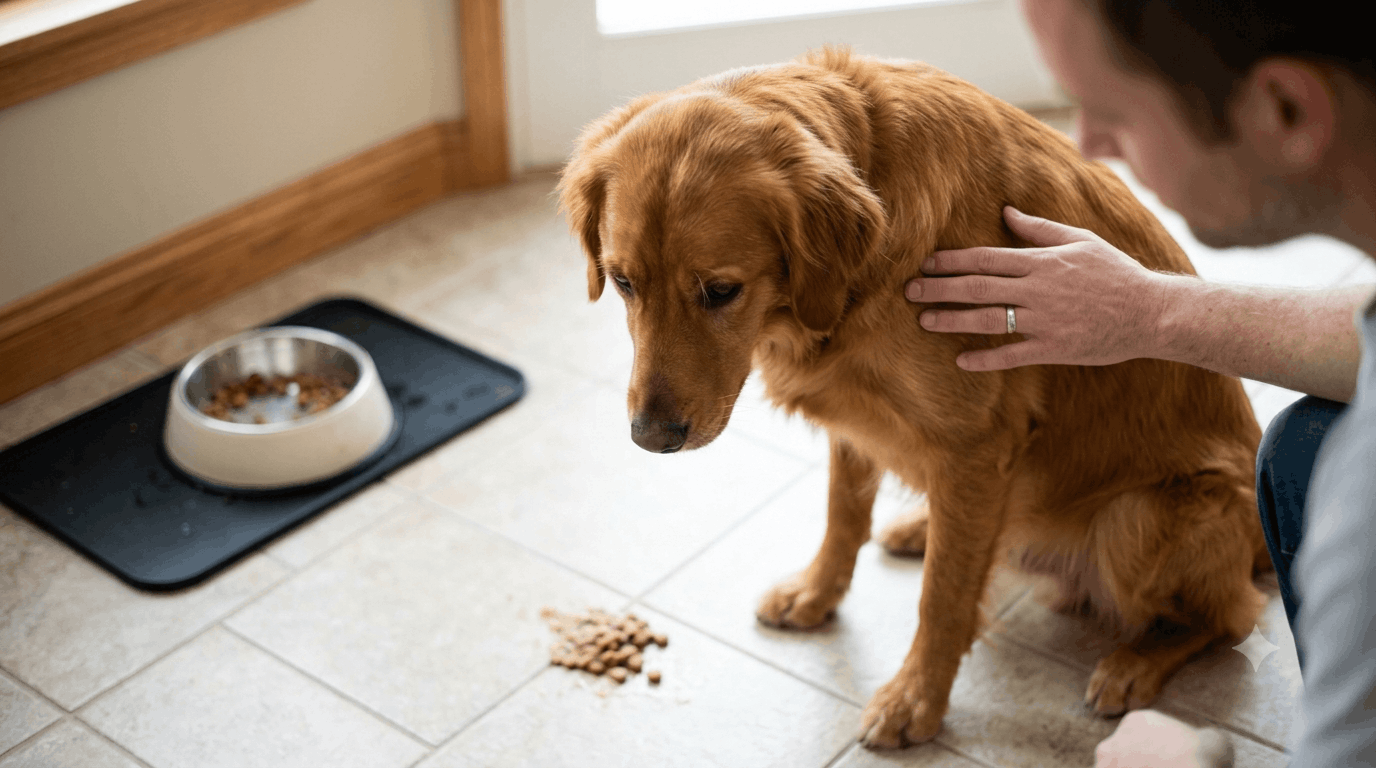
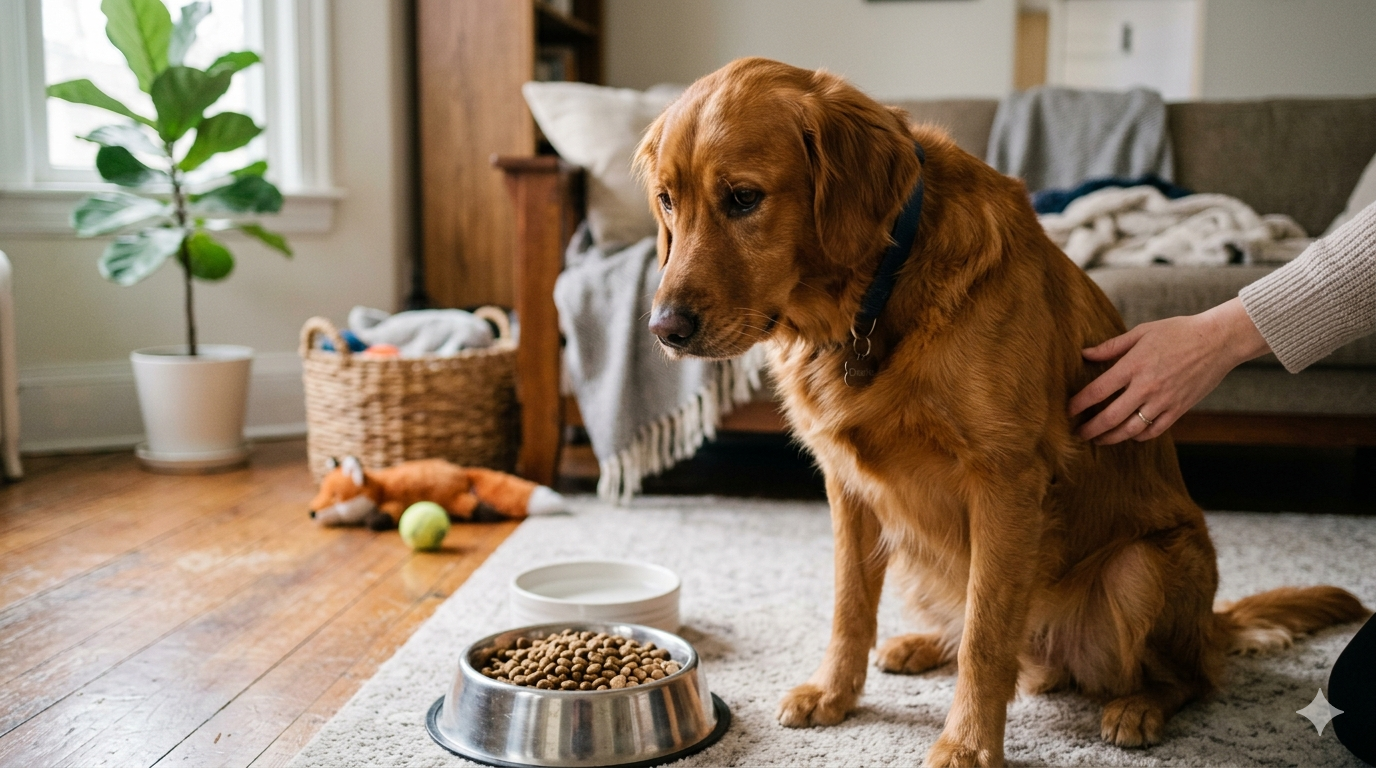
If your dog not eating food is something you are dealing with right now, you are not alone. Many dog owners face this exact problem and feel worried when their pet suddenly stops eating. It could be something simple like a mood change or something that needs attention. This article will help you understand the most common reasons and what you can actually do about it.
Why Is My Dog Not Eating Food? Common Reasons You Should Know
There are many reasons why a dog not eating food can happen. It could be stress, a change in routine, a new environment, or even just boredom with the same meal. Sometimes a mild stomach upset is the reason. Other times it could be a health issue. Before panicking, observe your dog for a day and look for any other signs like vomiting, laziness, or weight loss.
Why Dog Is Not Eating Food But Drinking Water Normally?
When a dog not eating food but still drinking water normally, it usually means the body is okay but something is off with appetite. This can happen due to nausea, dental pain, or even the smell or taste of the food bothering them. It is actually a slightly better sign than refusing both. Still, if this goes on for more than two days, a vet visit is a good idea.
Why Dog Is Not Eating Food Due to Stress or Anxiety
Just like humans, dogs can lose their appetite when they are stressed or anxious. A dog not eating food due to stress is very common after events like moving to a new home, a new pet joining the family, loud noises like firecrackers, or even a change in the owner's schedule. Once the stress is removed, most dogs return to eating normally on their own.
Signs Your Dog Is Stressed vs. Sick
It helps to know the difference before you panic:
- Stressed dog – hiding, shaking, yawning a lot, avoiding eye contact, not eating but otherwise active
- Sick dog – vomiting, loose stools, low energy, weight loss, or whimpering when touched
- If only appetite is affected and energy is normal, stress is likely the cause
- If two or more symptoms appear together, it is better to see a vet
Why Dog Is Not Eating Food as It Gets Older
As dogs age, their appetite naturally slows down. A dog not eating food in senior years can be due to weaker sense of smell, dental pain, or slower digestion. Older dogs also need fewer calories. Switching to a softer, age-appropriate food often helps. Regular vet checkups become more important at this stage to rule out any underlying health conditions.
What to Do If Dog Is Not Eating Food for More Than 24 Hours
- Here is what you can do step by step:
- Check the basics – Is the food fresh? Has the brand or flavor changed recently?
- Remove the bowl – Do not force feed. Remove the bowl after 20 minutes and try again later
- Try warm food – Slightly warming the food brings out the smell and can attract your dog
- Avoid too many treats – If your dog not eating food but eating treats, you may have accidentally trained them to hold out
- Visit the vet – If 24 hours have passed with zero eating, a vet check is the safest next step
What to Do If Dog Is Not Eating Food – Home Remedies That Work
These simple home remedies can help when your dog not eating food:
- Add warm water or broth – Mix plain chicken broth with dry kibble to make it more appealing
- Try boiled chicken and rice – A bland diet is easy on the stomach and most dogs love it
- Hand feed your dog – Sometimes eating from your hand gives them the comfort they need to start eating
- Change the bowl – Some dogs dislike metal bowls due to the smell or reflection, try a ceramic one
- Stick to a schedule – Feed at the same time every day so their body builds a natural hunger cycle
What to Do If Dog Is Not Eating Food and Seems Lethargic
A dog not eating food and also showing low energy is a combination you should not ignore. Lethargy along with no appetite can point to something more serious than just a mood change. Look for these signs alongside:
- Lying down more than usual and not responding to walks or play
- Dry or pale gums which can be a sign of dehydration
- Vomiting or loose stools along with no eating
- Whimpering or reacting when you touch the belly area
When It Becomes a Medical Emergency
Take your dog to the vet immediately if you notice:
- No eating or drinking for more than 48 hours
- Continuous vomiting or blood in stool
- Sudden and visible weight loss within a few days
- Difficulty breathing or extreme weakness
- Swollen belly or signs of pain when touched
Conclusion
Seeing your dog skip meals can be really worrying but in most cases it is manageable once you know the reason. From stress and aging to food preferences and health issues, there are many things that can cause a dog not eating food. Start with simple changes at home, watch their behaviour closely, and do not hesitate to visit a vet if things do not improve within a day or two. A little attention goes a long way in keeping your dog healthy and happy.